
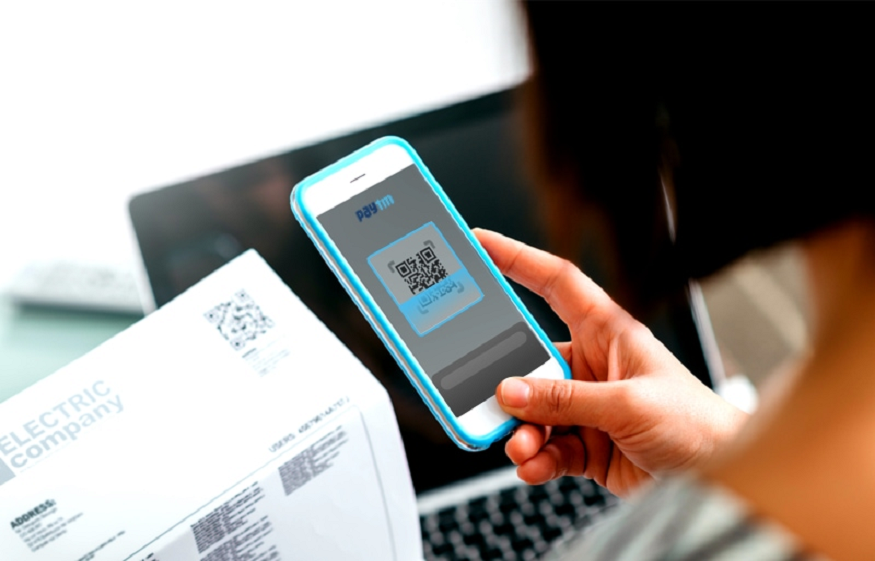
Managing money used to feel like a full-time job. You had to save every paper receipt and manually enter numbers into a spreadsheet at the end of each month. It was a tedious process that often led to errors or forgotten expenses.
Today, technology has simplified this chore significantly. By using a modern payment app, you can see exactly where your money goes without lifting a finger. These tools do the heavy lifting by sorting your spending into neat categories that make sense at a glance.
The Shift Toward Automated Financial Tracking
The way we interact with our finances has changed fundamentally over the last decade. We no longer rely on physical ledgers or bank statements that arrive in the mail weeks after the spending occurred. Instead, we have access to real-time data that reflects our financial health in the palm of our hand. This shift is driven by the desire for more control and less administrative stress.
When you use a payment app for your daily transactions, you are essentially building a digital map of your habits. The software looks at the data provided by merchants and assigns a label to each transaction. This means that a trip to the supermarket is instantly tagged as groceries, while a stop at the petrol station is marked as transport. This automation removes the guesswork and the guilt of forgetting to log a purchase.
Understanding the Mechanics of Categorisation
You might wonder how a piece of software knows the difference between a coffee shop and a clothing store. The secret lies in the data transmitted during the transaction. Every merchant has a specific code that identifies the type of business they operate. When you make a purchase, the payment app reads this code and matches it to a predefined category in its system.
Read More: The Pros and Cons of Automating Bills Through Payment Apps
Some apps go even further by using machine learning to refine these categories. If you frequently shop at a store that sells both food and hardware, the app might learn from your previous corrections. Over time, the system becomes more accurate. It adapts to your specific lifestyle and spending patterns. This level of precision ensures that your monthly reports are as close to reality as possible.
Streamlining Every Bill Payment
One of the most significant hurdles in budgeting is keeping track of fixed costs. These are the recurring expenses that keep your household running. Whether it is rent, electricity, or a streaming service, every bill payment needs to be accounted for to avoid a shortfall at the end of the month. Modern applications are particularly good at identifying these recurring patterns.
By categorising these specific transactions, the app can alert you when a bill is higher than usual. It can also remind you when a payment is due. This visibility prevents the common problem of “subscription creep,” where small monthly fees go unnoticed until they add up to a significant sum. Seeing these costs grouped together allows you to evaluate which services are truly worth your hard-earned money.
Visualising Your Spending Habits
Data is only useful if you can understand it quickly. This is why visual aids are a core feature of any high-quality payment app. Instead of looking at a long list of numbers, you are presented with colourful pie charts and bar graphs. These visuals provide an immediate sense of where your budget is leaning.
If you see that the “Dining Out” slice of the pie is significantly larger than the “Savings” slice, you have the information you need to make a change. This visual feedback loop is powerful. it turns abstract numbers into a clear story about your life. It allows you to spot trends over several months, helping you understand if your spending is seasonal or if you have developed a new habit that needs addressing.
Identifying Hidden Costs and Subscriptions
We all have those small expenses that seem to vanish into the background. A small monthly fee for extra cloud storage or a gym membership you rarely use can easily be overlooked in a standard bank statement. However, when these are pulled into a specific category by your payment app, they become much harder to ignore.
Categorisation shines a light on these “vampire” expenses. When you see a dedicated category for entertainment or subscriptions, you can see the total impact of those small choices. This clarity often provides the motivation needed to cancel unnecessary services. By trimming the fat from your monthly outgoings, you free up funds for more meaningful goals like travel or debt repayment.
Building a Sustainable Budget Strategy
A budget should not be a restrictive cage. Instead, it should be a roadmap that helps you reach your destination. With the visibility provided by automated categorisation, you can build a budget based on facts rather than estimates. You can set realistic limits for each category based on your actual spending history from the previous few months.
Read More: Tax Time Triumph: Streamline Filing with Smart Strategies
If the data shows you consistently spend a certain amount on groceries, you can set that as your baseline. You can then look for areas where you want to reduce spending. Because the payment app updates in real time, you can check your progress throughout the month. If you are nearing your limit in one category, you can choose to pull back before you overspend. This proactive approach is much more effective than looking back at the end of the month and wondering where the money went.
The Psychological Benefit of Financial Clarity
There is a significant mental burden associated with financial uncertainty. Not knowing if you have enough to cover your upcoming bills creates a constant underlying stress. By using technology to categorise every bill payment and daily expense, you replace that uncertainty with clarity. You gain a sense of agency over your financial life.
When you open your payment app and see a well-organised dashboard, you feel in control. You know that your obligations are met and that your discretionary spending is within the bounds you set for yourself. This peace of mind is perhaps the greatest benefit of modern financial tools. It allows you to focus on living your life rather than worrying about the math behind it.
The Future of Personal Finance Management
As technology continues to evolve, the way we categorise and view our money will only become more sophisticated. We are moving toward a world where our financial tools can predict our future needs based on our past behaviour. They might suggest moving money into a savings account because they recognise you have a surplus in your utility category this month.
The goal of these innovations is to make financial health accessible to everyone. You do not need a degree in accounting to manage your household budget effectively. All you need is the right payment app and a willingness to look at the data. By embracing these automated systems, you can ensure that your money is working as hard for you as you did to earn it. The path to financial freedom starts with visibility, and categorisation is the key that unlocks that door.